

Understanding Perimenopause: How to Care for Your Skin and Body
Perimenopause is a crucial transitional phase for the body, marked by profound hormonal changes. This process, which precedes menopause, can begin as early as age 45, sometimes earlier or later depending on the individual. During this time, estrogen and progesterone levels fluctuate, impacting not only mood and energy but also the skin, figure, and many other aspects of health. In this article, we offer a comprehensive guide to better understand perimenopause and tips to ease its effects.
Hormonal Changes and Symptoms
During perimenopause, the ovaries slow down the production of essential female hormones, leading to various symptoms that can vary from person to person. The most common include:
- Hot flashes: These sudden heat episodes can be very uncomfortable and occur at any time.
- Sleep disturbances: Hormonal fluctuations often disrupt the sleep cycle, making rest difficult.
- Irritability and mood changes: Hormones influence mood, increasing the risk of mood swings or depression.
- Fatigue and lack of energy: A drop in vitality is common during this period.
- Vaginal dryness: Caused by decreased estrogen, this symptom can affect sexual quality of life.
- Menstrual irregularities: Cycles often become irregular until they stop completely at menopause.
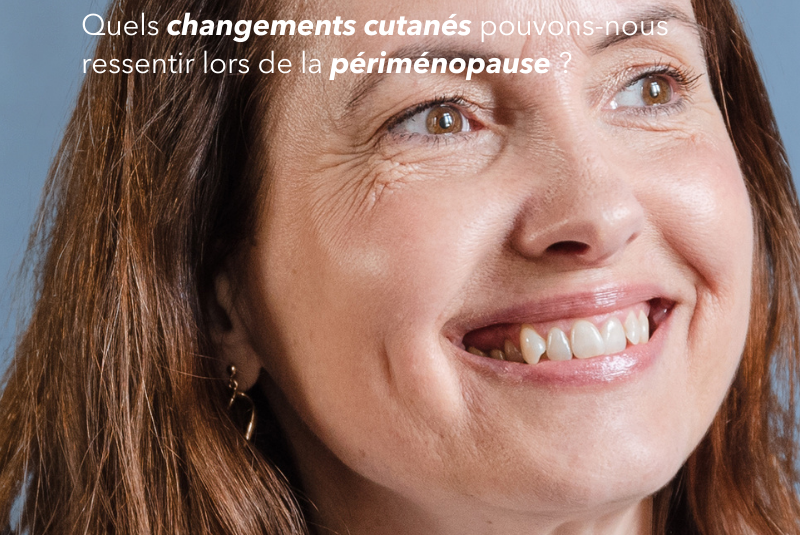
- Skin changes: The skin may become drier, thinner, and less elastic.
- Bone density loss: The risk of osteoporosis increases as estrogen levels decline.
- Weight gain: Fat redistribution is often observed, especially around the abdomen.
Impact of Perimenopause on the Skin
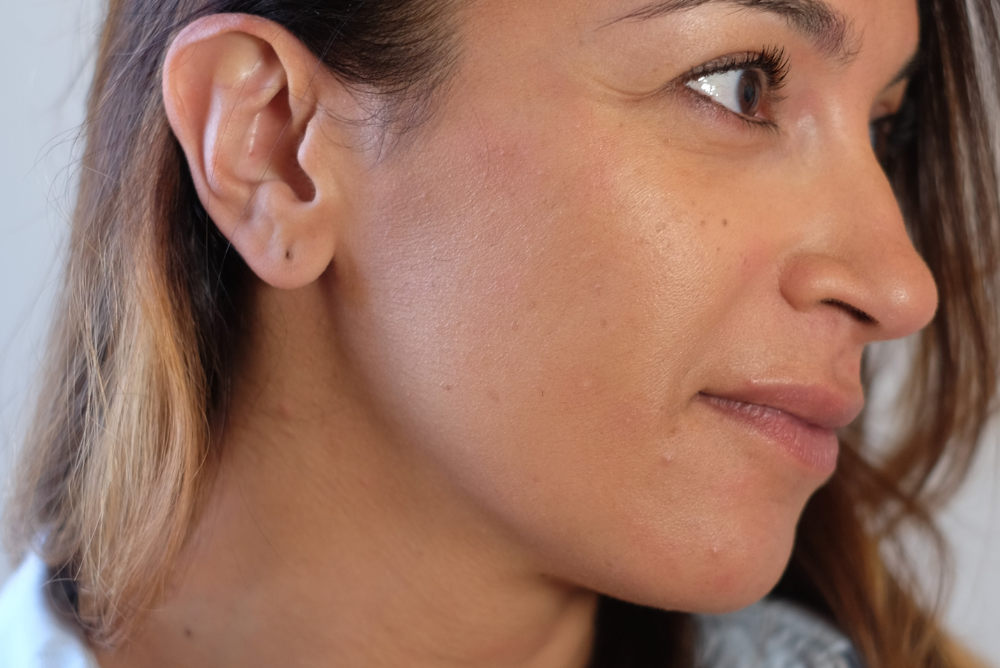
Hormonal changes during perimenopause also affect skin health. Here are the main effects to anticipate and tips for managing them:
- Dry skin: With the drop in estrogen, sebum production decreases, resulting in drier and sometimes irritated skin. It is recommended to use moisturizers rich in ceramides or hyaluronic acid to strengthen the skin barrier.
- Loss of firmness and elasticity: Decreased collagen and elastin make the skin more fragile, leading to sagging and wrinkles. Treatments rich in peptides or retinol can stimulate collagen production.
- Dull complexion: Reduced blood circulation and weakened sebum production can make the skin look duller. Using gentle exfoliants like AHAs (alpha hydroxy acids) can revive skin radiance.
Nutrition and Physical Activity: Your Anti-Perimenopause Allies
Nutrition and physical exercise play a central role in alleviating perimenopause symptoms and maintaining a healthy body and skin.
Nutrition:
A diet rich in essential nutrients can help rebalance your body.
- Fruits and vegetables rich in antioxidants: Eat foods like berries, kiwis, broccoli, and carrots to fight free radicals responsible for skin aging.
- Whole foods: Brown rice, quinoa, and lentils are important sources of fiber and help regulate blood sugar, thus limiting cravings linked to hormonal fluctuations.
- Quality proteins: Sardines, poultry, and tofu provide proteins necessary for tissue regeneration and muscle mass preservation.
Physical activity:
Regular physical activity can not only help maintain a healthy weight but also strengthen muscles, bones, and improve mood.
- Moderate endurance exercises: Brisk walking or swimming are perfect for boosting circulation and heart health.
- Light strength training: By doing strength exercises 2 to 3 times a week, you strengthen your bones and prevent bone density loss.
- Flexibility and balance exercises: Yoga and Pilates help maintain flexibility and balance while reducing stress.
Skin Care: Adapt Your Routine
During perimenopause, it is crucial to adjust your skincare routine to meet your skin’s new needs. Here are some tips:
- Intense hydration: Choose creams with natural oils for deep nourishment.
- Anti-aging serums: Formulas with pastel protein collagen activators or antioxidants are your best allies to strengthen firmness and prevent wrinkles.
- Sun protection: Protection against UV rays remains essential, as the skin becomes more sensitive to external aggressions. Use a broad-spectrum sunscreen daily.
- Gentle exfoliation: Regular use of scrubs or gentle chemical exfoliants like AHAs helps remove dead skin cells and restore a radiant complexion.
Stress and Sleep Management
Relaxation techniques
- Anti-stress activities
- Quality Sleep : aim for 8 hours of restorative sleep per night
- Herbs and Supplements
Herbal teas :
- Sage : reduces hot flashes
- Chasteberry : regulates hormones
- Red clover : relieves mood disorders
- Yarrow : anti-inflammatory
- Passionflower : improves sleep
Supplements :
- Phytoestrogens : soy, red clover
- Magnesium : reduces anxiety
- Vitamin D : essential for bone health
- Omega-3 : anti-inflammatory
Conclusion
Perimenopause can be a destabilizing period, but it is also an opportunity to rediscover your body and take care of yourself. By adjusting your diet, incorporating an exercise routine, and caring for your skin, you can approach this stage calmly and positively. If symptoms become too intense, do not hesitate to consult a healthcare professional for personalized support.