

In the quest for clearer, smoother skin, consumers often turn to skincare products that promise to eliminate imperfections. The ingredient that has gained enormous popularity in the cosmetics industry in recent years is salicylic acid.
Although it's considered effective for certain skin problems, caution is advised when using skincare products containing salicylic acid. In this article, we'll outline the potential dangers of this active ingredient.
Understanding Salicylic Acid
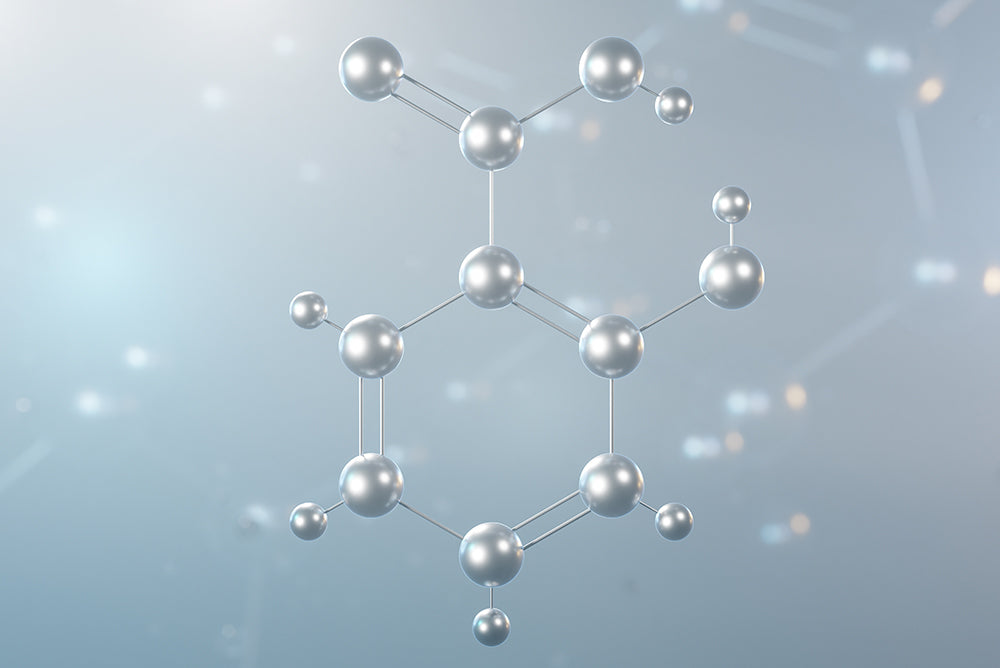
Salicylic acid is a beta-hydroxy acid (BHA) known for its ability to exfoliate the skin's surface, making it an attractive ingredient in skincare. It is often used to treat acne, psoriasis, and other skin conditions due to its anti-inflammatory and keratolytic (skin-softening) properties. Salicylic acid works by penetrating pores and dissolving sebum and impurities that can cause breakouts.
Hidden risks
Skin sensitivity and irritation
One of the main risks associated with salicylic acid is its potential to cause skin sensitivity and irritation, particularly in people with sensitive or dry skin. While it can be effective in treating acne, overuse or improper application can lead to redness, burning, and peeling. People with compromised skin barriers may experience increased dryness and discomfort when using products containing salicylic acid.
Photosensitivity
Salicylic acid can make the skin more sensitive to the sun. Prolonged exposure without adequate sun protection can lead to sunburn and increase the risk of skin damage, including premature aging and skin cancer.
Not suitable for all skin types
Salicylic acid may not be suitable for everyone. People with certain skin conditions, such as rosacea, eczema, or contact dermatitis, should exercise caution since, in some cases, salicylic acid can worsen these conditions or cause allergic reactions.
Risk of Over-Exfoliation
Regular use of salicylic acid-based skincare products can lead to over-exfoliation, which can compromise the skin's natural barrier. This can result in increased sensitivity, redness, and a higher risk of infection.
Our natural and plant-based alternatives
Zinc PCA Antibacterial
Zinc PCA is one of our natural alternatives to salicylic acid. Known for its sebum-regulating properties, zinc PCA offers a gentle and effective solution for treating skin problems such as acne. Unlike salicylic acid, which can sometimes cause skin sensitivity, zinc PCA tends to be better tolerated by all skin types. Furthermore, it offers anti-inflammatory benefits, soothing skin irritations while helping to reduce excess oil production.
Raspberry and blackcurrant plant extracts
We have also chosen to use raspberry and blackcurrant plant extracts as active ingredients in our blemish-fighting skincare products. These fruits are rich in natural compounds such as polyphenols, antioxidants, and vitamins, which offer numerous benefits to the skin. The polyphenols in these extracts have anti-inflammatory and antioxidant properties, helping to reduce redness and prevent damage caused by free radicals. Furthermore, the vitamins C and E present in raspberries and blackcurrants contribute to cell regeneration and skin brightening, thus promoting an even complexion. These plant extracts offer a natural and effective approach to combating blemishes while deeply nourishing the skin.