

Whether you call them brown spots, sunspots, or age spots, pigmentation spots are a very common beauty concern. Although they are completely natural and harmless, they can sometimes bother us by affecting the evenness and radiance of the complexion.
But how exactly do they form? And above all, how can botanical science help us regulate them? At the Graine de Pastel Laboratory, we have closely studied these mechanisms to formulate targeted skincare, delving deep into your skin, where everything happens.
The sun and the skin: a story of cellular protection
To understand the appearance of spots, we must first understand how our skin reacts. Our skin color is primarily determined by the nature and concentration of melanin.
- Melanin is synthesized by specific cells called melanocytes, which are located in the basal layer of the epidermis.
- When exposed to UV rays, this production is activated to protect our cells.
- Melanin is stored in specific cellular organelles called melanosomes.
- These pigment-loaded melanosomes are then transferred to neighboring epidermal cells, the keratinocytes.
This triggers a natural self-defense system: tanning.
The key enzyme: tyrosinase
Melanin production does not happen by magic. It requires the action of a specific enzyme: tyrosinase.
Activated by sun exposure, it triggers the chemical reaction that transforms an amino acid, tyrosine, into melanin. Without tyrosinase, there is no pigmentation.
So why do spots appear?
Over the years, repeated sun exposure, hormonal fluctuations (such as with melasma), or acne scars can cause this finely tuned mechanism to malfunction. The melanocytes go into overdrive and produce excess melanin. Instead of being distributed evenly, this melanin clumps together in specific areas: this is how a pigmentation spot forms and becomes visible on the surface of the skin.
The patented Graine de Pastel solution : an unprecedented botanical synergy
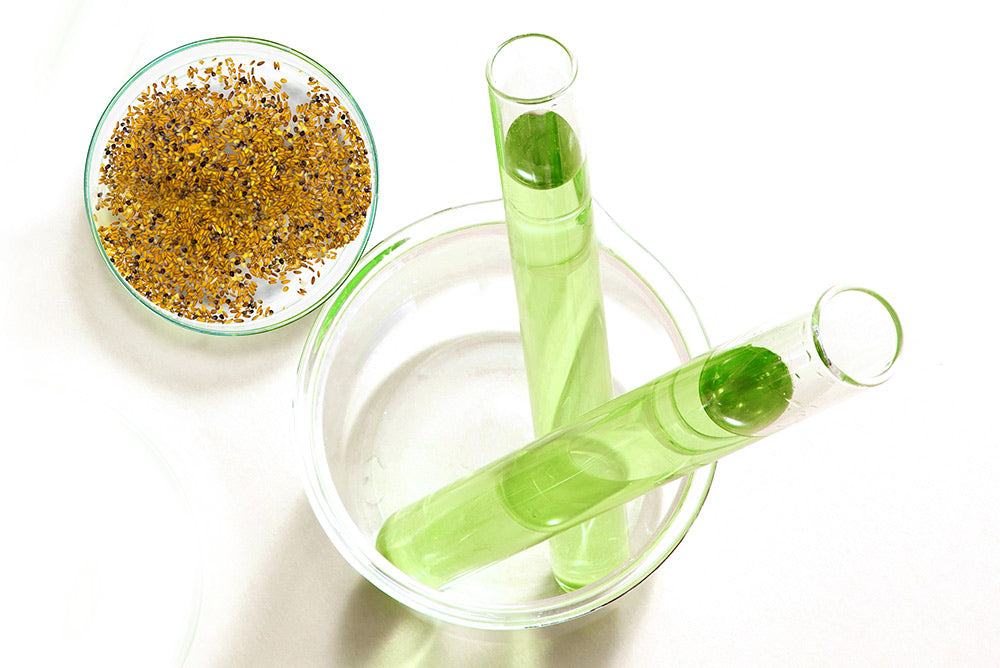
To correct spots and even out the complexion, this mechanism must be regulated at its source. This is where our botanical expertise comes in. The woad leaves grown on our estate contain an exceptionally powerful botanical treasure: bioflavonoids.
These plant-based molecules help correct and prevent hyperpigmentation:
- A regulating action on tyrosinase : Bioflavonoids can "slow down" this key enzyme, calming overactive melanocytes and limiting melanin overproduction. Emerging spots are stopped, and existing spots fade.

The ritual for an even complexion: the Anti-Spot Correcting Serum
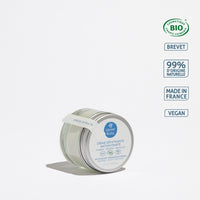
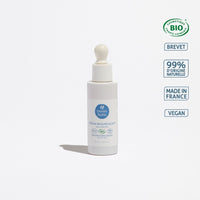
This targeted, patented action lies at the heart of our Anti-Spot Correcting Serum. A true bestseller from our laboratory, this skincare product is the result of this exclusive innovation.
- An expert, concentrated formula : The Laboratory has incorporated woad bioflavonoids into this ultra-targeted treatment. It is certified organic, vegan, made in France, and contains 99% naturally derived ingredients.
- Comprehensive, proven action : Effective on all types of spots (sun, acne, melasma, and age spots), it visibly evens out the complexion. The Anti-Spot Correcting Serum reduces pigmentation spots by 76%*.
*Dermatological evaluation, 21 volunteers, 28 days.
- A sensorial experience for everyday use : Its fluid, lightweight texture absorbs instantly, making it ideal for application every morning under your day cream.
Advice from our Laboratory experts:
Since UV rays are the primary triggers of the tyrosinase enzyme, applying this serum should ideally be accompanied by suitable daily sun protection. This is the perfect synergy for protecting your skin's youthful potential and preserving its evenness over time!